Utah home construction costs 2026 typically range from $200 to $500 per square foot, reflecting regional labor rates and material prices that sit 15% to 25% above the national average. While material inflation persists, cost increases are expected to stabilize at a rate of 1.7% as build times for single family projects average between 6 and 12 months.
Navigating the financial landscape of Utah residential building requires more than just a cursory glance at local listings. For many homeowners, the shifting projections for 2026 create a significant sense of uncertainty regarding total project viability and long term investment security. At Keith Construction, we understand that price volatility in materials and labor can quickly erode a carefully planned budget. It is essential to distinguish between market rumors and the practical realities of construction economics in the Mountain West. This comprehensive analysis provides an expert look at the projected cost per square foot benchmarks, regional price disparities between the Wasatch Front and Carbon County, and the primary drivers influencing these trends. You will also discover actionable budgeting strategies and timeline planning techniques designed to help you navigate rising costs while ensuring your vision for a custom home remains within reach.
Understanding the 2026 Landscape for Utah Residential Building
Navigating the building market requires looking past generic national data. While many online calculators suggest lower figures, actual utah home construction costs 2026 reflect a regional premium of 15 to 25 percent above the national average. This discrepancy stems from Utah's unique labor scarcity and the specific structural demands of high elevation and mountain grade builds. For those planning projects in Carbon County and surrounding areas, 2026 represents a pivotal intersection of sustained housing demand and evolving economic pressures.
Providing professional residential and commercial construction services involves accounting for these local realities long before the first shovel hits the dirt. The market is entering a phase of stabilization, yet localized material logistics and a shortage of specialized trade professionals continue to exert upward pressure on total project budgets. Homeowners considering new construction and renovations must weigh the benefits of starting now against the risk of future price fluctuations. Understanding local logistics and Carbon County building permit requirements is essential for maintaining a predictable timeline. Successful projects this year will rely on balancing modern construction practices with a realistic view of the regional market, ensuring that every square foot delivers long term value and structural durability.
Current Cost Per Square Foot Benchmarks in Utah
For 2026, homeowners should anticipate a range of $200 to $500 per square foot for most residential projects. While national estimators often suggest figures closer to $150, these figures rarely account for the specific pressures affecting utah home construction costs 2026. In Carbon County, the floor for a standard, code-compliant build typically sits at $200 per square foot. While land acquisition costs in rural Utah are generally more favorable than in the Wasatch Front, these savings are frequently offset by the logistics of transporting materials and the necessity of bringing in specialized labor from neighboring regions.
The total investment fluctuates significantly based on the level of finishes and structural complexity. Using realistic benchmarks early in the planning process prevents budget overruns during the framing and finishing stages.
Build Tier | Price per Sq. Ft. (Est.) | Typical Features |
|---|---|---|
Basic / Standard | $200 – $250 | Builder-grade appliances, laminate or LVP flooring, and standard roof pitches. |
Mid-Range | $250 – $375 | Semi-custom cabinetry, quartz countertops, and upgraded energy-efficient window packages. |
Luxury / Custom | $375 – $500+ | Custom architectural designs, high-end stone masonry, smart home integration, and premium finishes. |
Achieving a successful result within these benchmarks requires a focus on practical solutions and reliable project execution. Even a basic build today necessitates modern construction practices to ensure safety and structural durability. Choosing mid-range finishes for new construction and renovations often provides the best balance of long term value and aesthetic appeal. Understanding these price points helps homeowners and property managers set realistic expectations before moving into the design and permitting phase.
Primary Drivers of Rising Building Costs in 2026
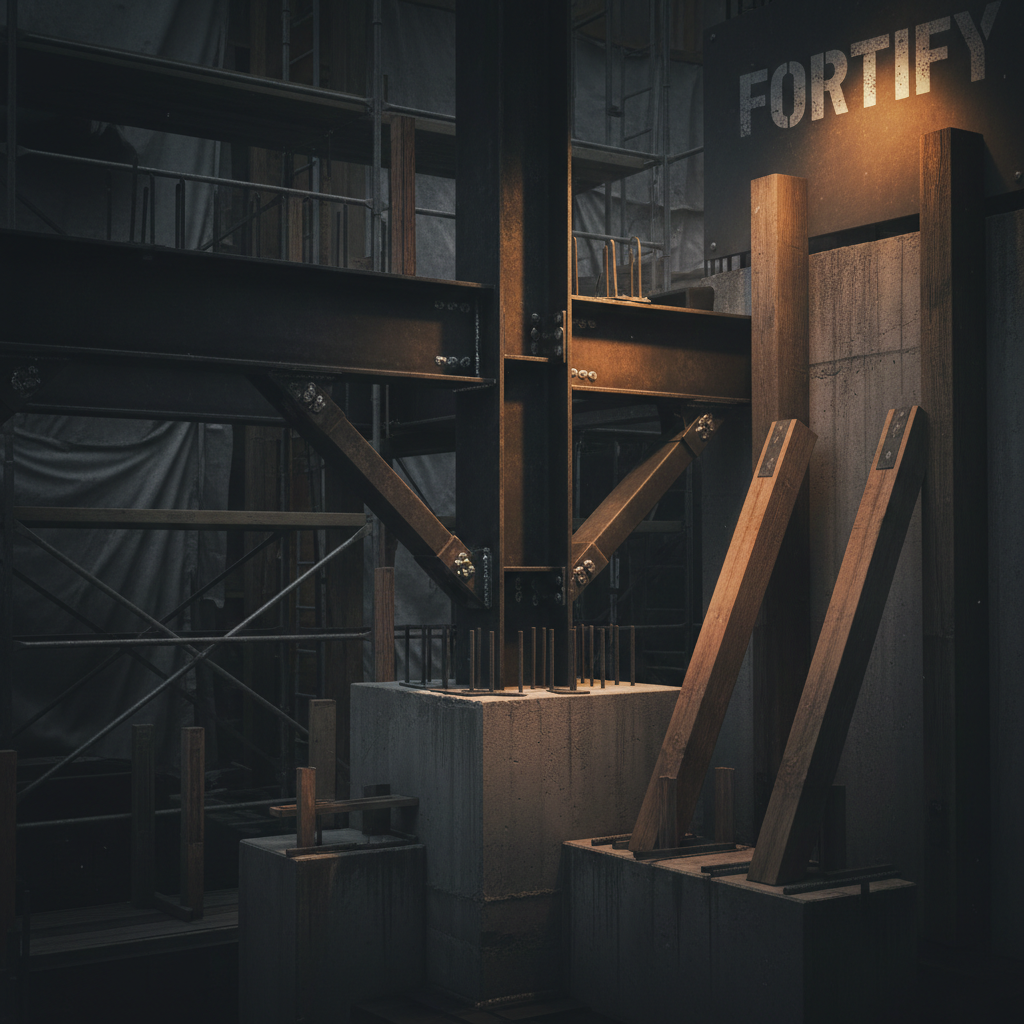
Understanding the drivers behind the 2026 market allows homeowners to make informed decisions about their investments. While general inflation has moderated, specific inputs for residential and commercial construction services are projected to rise between 4 and 6 percent this year. A major component of this increase stems from trade policies affecting essential structural materials. For example, tariffs on framing lumber have risen by approximately 17 percent, while steel mill products face increases near 20 percent. Because these materials form the backbone of any build, these percentage hikes translate directly to the bottom line of a project estimate.
In Carbon County, the challenge is compounded by a persistent shortage of skilled labor. Rural Utah often competes with the larger Wasatch Front markets for trade professionals like electricians, plumbers, and framers. When the local talent pool is stretched thin, it results in a two fold impact on utah home construction costs 2026. First, labor rates naturally increase as demand outstrips supply. Second, project timelines often lengthen as crews balance multiple sites. Delays are not just inconvenient; they carry carrying costs, such as extended construction loan interest and potential price fluctuations for finishing materials ordered later in the cycle.
Executing successful new construction and renovations requires accounting for these variables during the pre-construction phase. Reliable project execution depends on securing commitments from trade partners early and locking in material orders whenever possible. While regional logistical fees for transporting these goods to rural areas add another layer of expense, proactive planning helps mitigate the volatility. By recognizing that labor and material pressures are localized, homeowners can better prepare for the financial realities of building in a rural mountain environment.
Will Construction Costs Go Down in 2026?
Homeowners frequently ask if waiting until late 2026 will result in lower prices. The data suggests this is unlikely. While general inflation may cool to approximately 1.7 percent, this represents a slower pace of increase rather than a reversal of current trends. In the context of utah home construction costs 2026, the market is entering a phase of stabilization. Prices for essential materials and skilled labor have established a new, higher floor that is highly improbable to return to pre-2020 levels.
Choosing to delay new construction and renovations in hopes of a significant price drop often backfires. In rural areas like Carbon County, the scarcity of trade professionals means labor rates remain firm even when national demand fluctuates. Stabilization allows for more accurate budgeting and reliable project execution, but it does not signal a discount. Starting residential and commercial construction services now protects against the compound effects of annual increases and the rising costs of financing. Waiting for a market correction that may never materialize typically results in higher total expenditures over the life of the project.
Carbon County vs. The Wasatch Front: Regional Cost Factors
Building in Carbon County presents a different financial profile than projects along the Wasatch Front. In Salt Lake or Utah County, land acquisition often consumes a massive portion of the budget, sometimes exceeding 30 to 40 percent of total costs. Conversely, Carbon County homeowners typically enjoy more accessible lot prices, which provides initial relief to the project budget. However, these savings are frequently balanced by the logistical realities of our rural and mountainous geography.
Transporting materials from northern distribution hubs to Price or Helper introduces specialized shipping fees and fuel surcharges. Furthermore, the rugged terrain of our region often requires significant site preparation. Building on a mountain grade or at a higher elevation necessitates reinforced foundations and complex drainage solutions that a flat lot in the valley does not require. When calculating utah home construction costs 2026, homeowners must account for these site specific engineering demands. While land is cheaper, the investment in residential and commercial construction services must cover the expertise needed for difficult terrain and remote project management. By focusing on new construction and renovations that respect local topography, owners can leverage land savings while still ensuring structural longevity in a demanding environment.
Is It Cheaper to Build or Buy a House in 2026?
Deciding between purchasing an existing property or starting a new project involves more than comparing a sticker price to an estimate. While some Utah market studies suggest that building can be nearly 15 percent cheaper than buying a comparable new home, the financial gap often closes once you factor in the soft costs of development. Homeowners must account for Carbon County building permit requirements, utility hookups, and the interest on construction loans, which can differ significantly from traditional mortgage rates.
The real value of new residential and commercial construction services lies in the long term operational savings. Existing homes in the Carbon County area often carry hidden costs in the form of outdated insulation, aging HVAC systems, and inefficient windows. By building, you integrate modern energy efficiency standards from the ground up. This reduces monthly utility bills, a critical factor when calculating the total cost of ownership over a decade. Choosing new construction and renovations ensures that the structure meets current safety codes and durability standards, providing a level of reliability that older homes rarely match without expensive retrofitting. When evaluating utah home construction costs 2026, consider that the upfront investment in a custom build buys a high performing asset with lower maintenance requirements.
Smart Budgeting Strategies to Mitigate Rising Costs
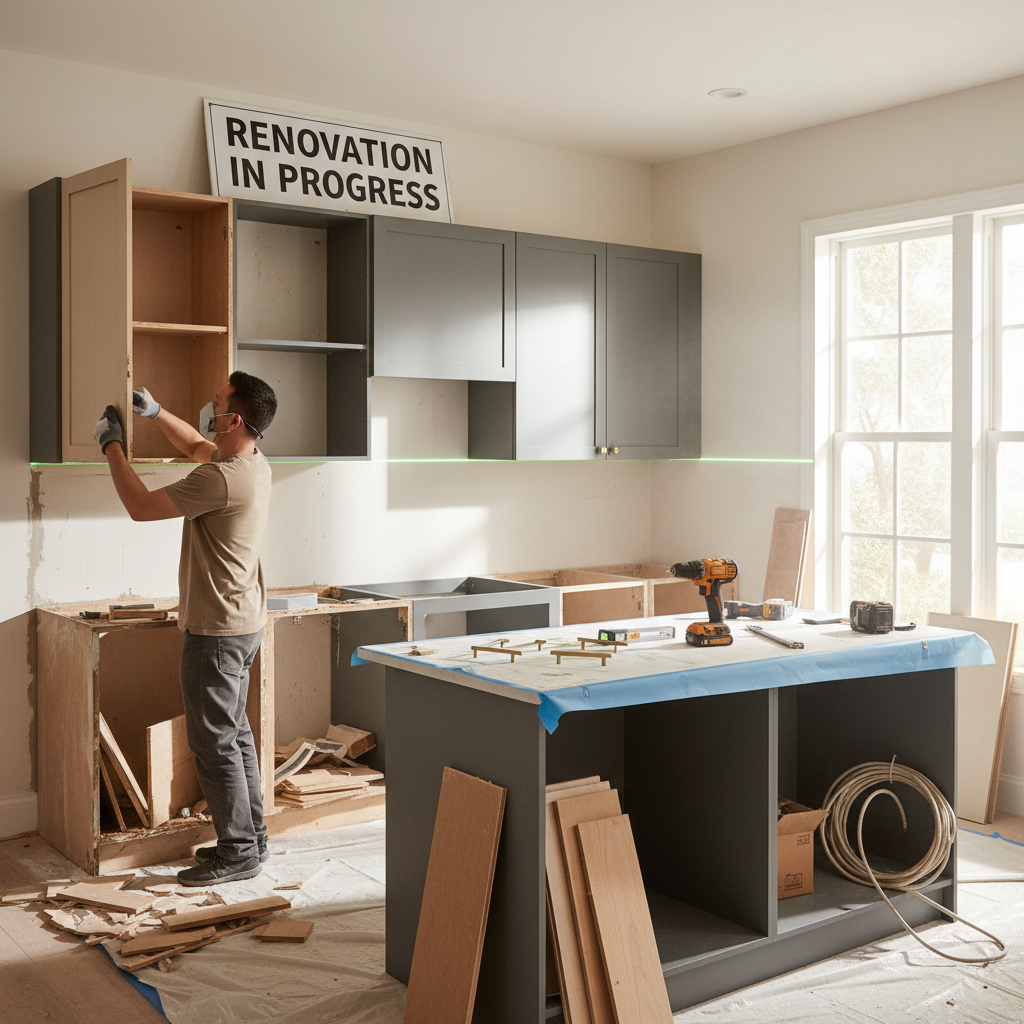
Managing a budget in the current market requires a shift from asking how big a home can be to asking how smart it can be designed. The most effective way to control utah home construction costs 2026 is by optimizing total square footage. Designing a smaller, more efficient floor plan reduces the volume of raw materials needed and the hours of specialized labor required. A compact, well designed layout often feels more functional and comfortable than a sprawling home with wasted hallway space, allowing for higher quality finishes within the same total investment.
Strategic material selection serves as the second pillar of cost mitigation. Prioritizing standard, builder grade materials for structural components, such as framing, insulation, and subflooring, ensures safety and durability without unnecessary expense. These items are essential for the integrity of the build but remain invisible once the project is complete. By using reliable, standard options for the bones of the house, homeowners can allocate their budget to high impact zones. Investing in luxury finishes for the kitchen or primary bathroom provides the custom feel owners desire without inflating the price per square foot across the entire floor plan.
Contract structure is also vital for financial predictability. While material prices fluctuate monthly, a fixed price contract provides a shield against sudden spikes in lumber or steel mill products. Alternatively, a cost plus model with a clear, negotiated cap offers transparency while allowing for potential savings if market prices dip during the build. When planning for new construction and renovations, securing a clear agreement helps avoid the budget creep that often occurs with an undefined scope. These practical approaches to residential and commercial construction services ensure that the final project remains a viable investment rather than a source of financial strain.
Planning Your Project Timeline to Beat Price Hikes
Tightening the timeline is the most effective way to lock in current rates and avoid the compounding effects of utah home construction costs 2026. Delays in the field often result in material price spikes or lost labor slots, which quickly erode a budget. Proactive management starts with navigating Carbon County building permit requirements well in advance. Securing approvals early allows for a synchronized start; this ensures that specialized trades are scheduled before the seasonal rush begins.
A significant risk to project stability is the high turnover or mid-project team switches that plague less organized operations. These transitions are notorious budget killers, leading to work gaps and redundant setup fees. Our focus on clear communication and reliable execution ensures that new construction and renovations maintain momentum from foundation to final inspection. By providing consistent residential and commercial construction services without internal disruptions, we eliminate the friction that drives up expenses. Reliable project management is not just about speed; it is about protecting the financial integrity of the build through precise coordination.